 06 May 2026
 Share
Share
1
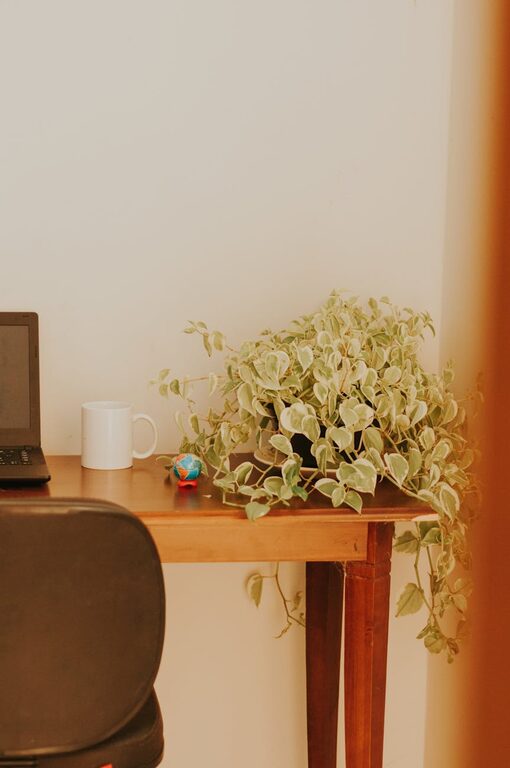
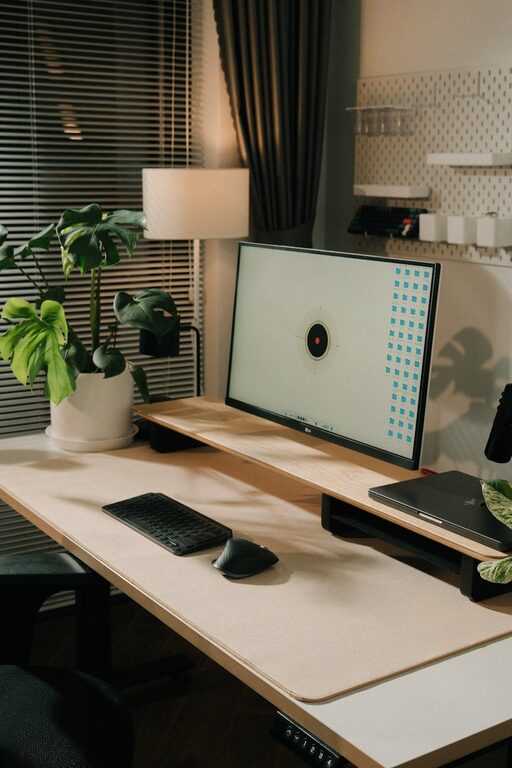
Creating a home workspace that feels both relaxing and productive can make a significant difference in your daily work routine. Whether you’re working remotely full-time or occasionally bringing work home, a thoughtfully designed workspace promotes concentration, reduces stress, and supports overall well-being. This guide offers practical tips to help you establish a calming environment that encourages both comfort and efficiency.
A workspace that feels peaceful and inviting helps clear your mind and allows you to focus better. Stress and distractions can reduce your output and cause burnout. On the other hand, a well-arranged, relaxing space can improve mood, encourage creativity, and make work feel less like a chore.
Start by selecting a quiet spot in your home that minimizes noise and interruptions. Ideally, this area should have:
– Good natural light to boost mood and reduce eye strain
– Enough space for your desk, chair, and work materials
– Some separation from high-traffic or noisy areas
Even if your home is small, a corner or nook can be converted into a functional workspace with the right setup.
Comfort is key for maintaining focus over long periods. Consider these tips:
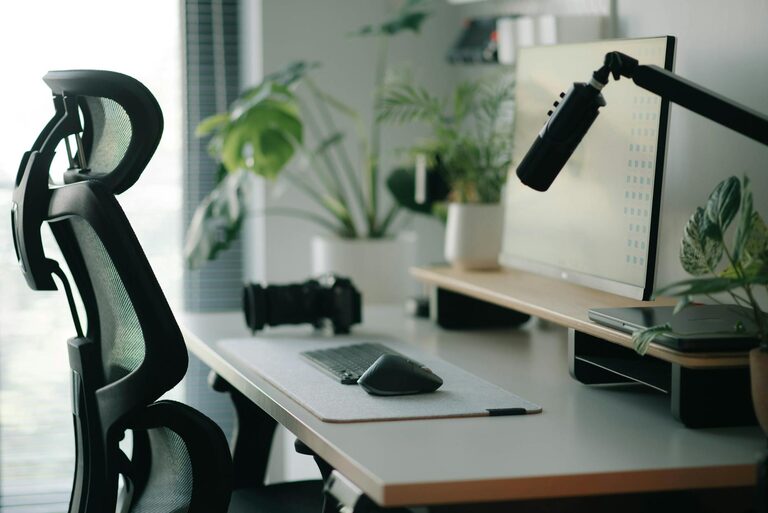
– Use an ergonomic chair that supports your back and encourages good posture
– Choose a desk with enough surface area to keep your computer, notebooks, and other essentials organized
– Adjust your monitor to eye level to avoid neck strain
Comfortable seating and proper desk height can prevent fatigue and discomfort.
Lighting influences energy levels and alertness:
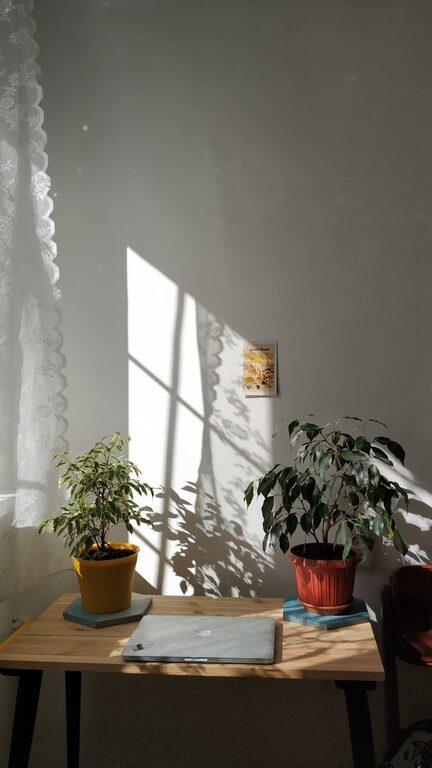
– Use natural light whenever possible; position your desk near a window
– Add a desk lamp with adjustable brightness for overcast days or evening work
– Avoid harsh overhead lighting that can cause glare or headaches
Balanced lighting creates a soothing atmosphere that reduces eye strain.
A tidy workspace reduces distractions and promotes mental clarity:
– Keep only essential items on your desk
– Use organizers, shelves, or drawers to store supplies
– Regularly remove unnecessary papers or objects
An organized space makes it easier to find what you need and keeps your mind focused.
Adding personal touches can make your workspace feel welcoming and inspiring:
– Display calming artwork or photos that make you happy
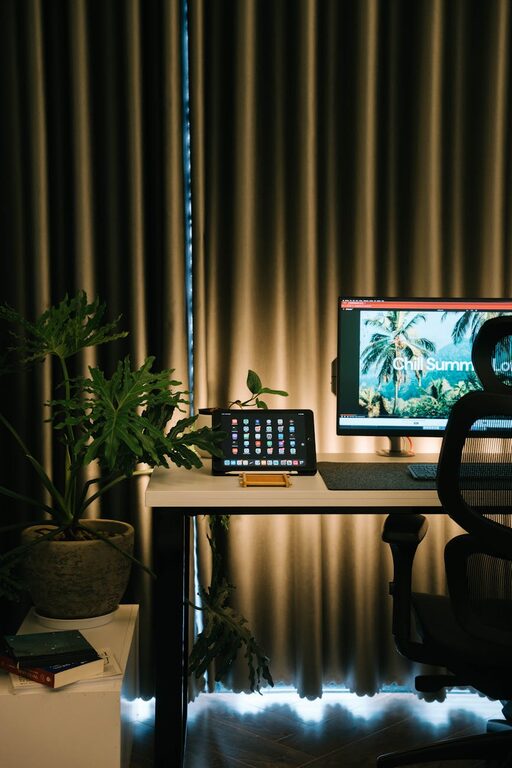
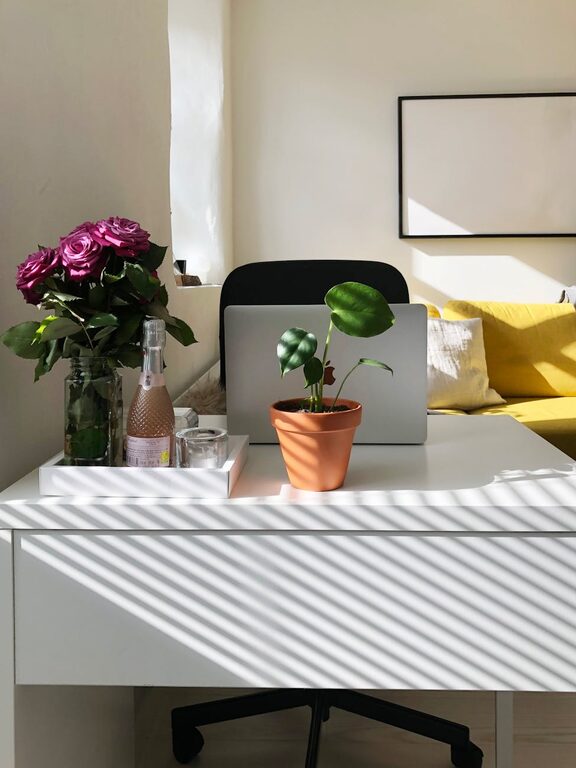
– Incorporate plants to bring life and improve air quality
– Use calming colors like soft blues, greens, or neutrals to promote relaxation
Personalization can create an environment you enjoy spending time in.
Reducing interruptions helps you maintain flow and efficiency:
– Turn off notifications on devices unrelated to work
– Use noise-cancelling headphones or background music if helpful
– Set boundaries with family or housemates about your work hours
A distraction-free space allows deeper concentration.
Include items that encourage brief breaks and stress relief:
– A comfortable cushion or yoga mat for stretching
– Aromatherapy diffusers with relaxing scents like lavender
– A small water fountain or calming sound machine
Breaks with calming activities help refresh your mind and prevent burnout.
Your workspace works best when paired with habits that enhance well-being:
– Keep regular work hours to establish predictability
– Take short, frequent breaks to rest your eyes and move your body
– Practice simple mindfulness or breathing exercises when stressed
Consistency supports long-term productivity and mental health.
Designing a relaxing home workspace is an investment in both your productivity and well-being. By focusing on comfort, organization, lighting, and personalization, you can create an inviting area that motivates you to do your best work while also caring for your mental and physical health. Remember that small changes can make a big difference — start with one or two tips and adapt your space as you learn what works best for you. Happy working!