 06 May 2026
 Share
Share
1
Creating a cozy and functional home office is essential for anyone working from home or managing tasks in a dedicated space. A well-designed home office can boost productivity, reduce stress, and make work feel more enjoyable. Whether you have a small corner or an entire room, these tips will help you tailor a workspace that fits your needs and style.
Finding the perfect spot for your home office is the first step.
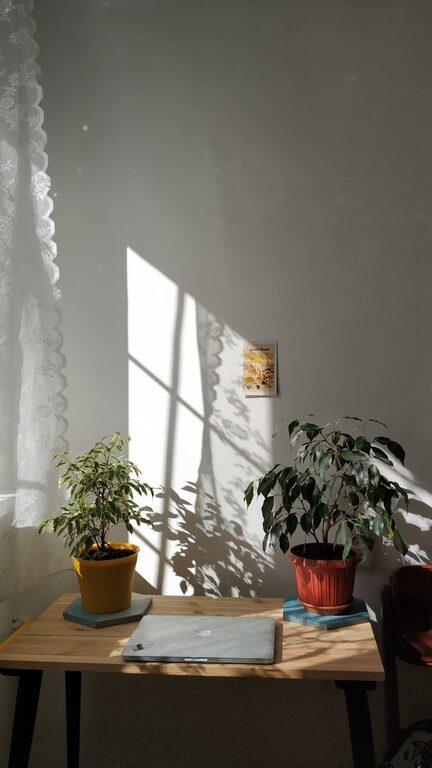
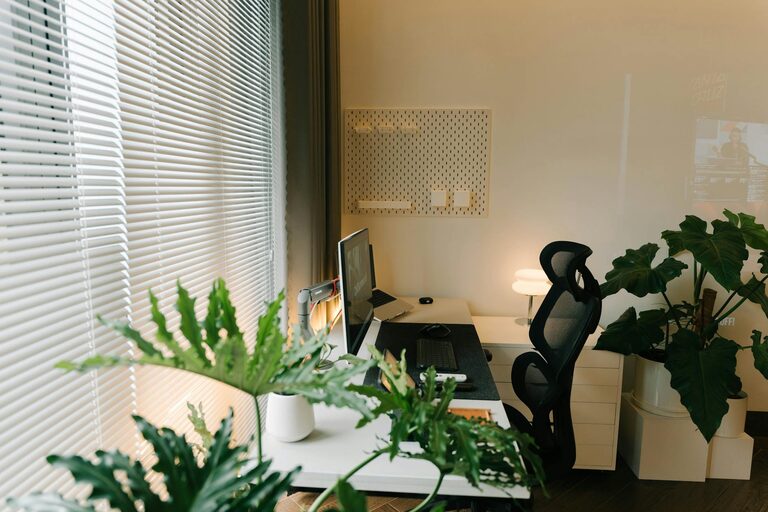
– Natural Light: Aim for a space near a window to take advantage of natural daylight. This helps improve mood and focus.
– Quiet Area: Select a location away from household noise, such as kitchen or living areas, to minimize distractions.
– Sufficient Space: Ensure there is enough room for your desk, chair, and any equipment you use regularly.
Comfort is key to staying productive during long hours.
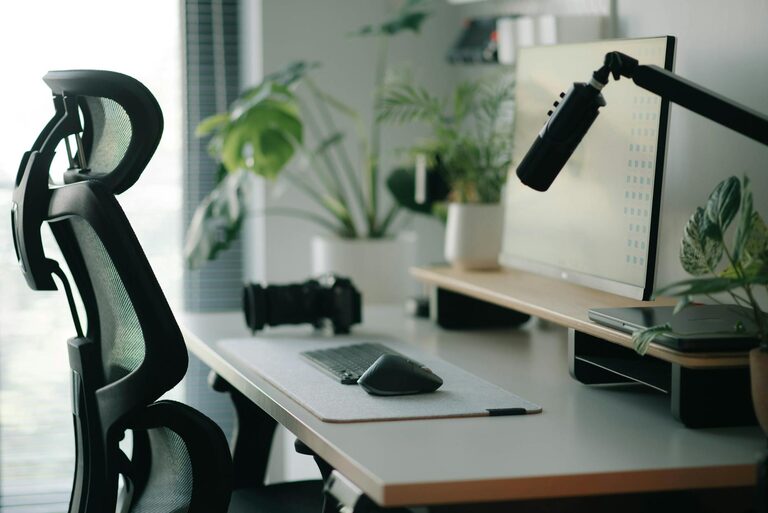
– Chair: Choose an adjustable chair that supports your lower back.
– Desk Height: Your desk should allow your elbows to rest at a 90-degree angle when typing.
– Footrest: If your feet don’t comfortably reach the floor, consider a footrest to improve posture.
Adding personal touches can make your home office feel inviting.
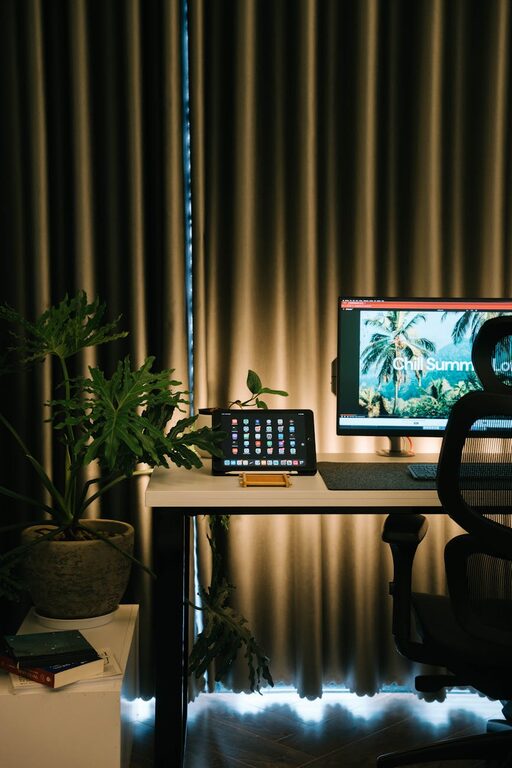
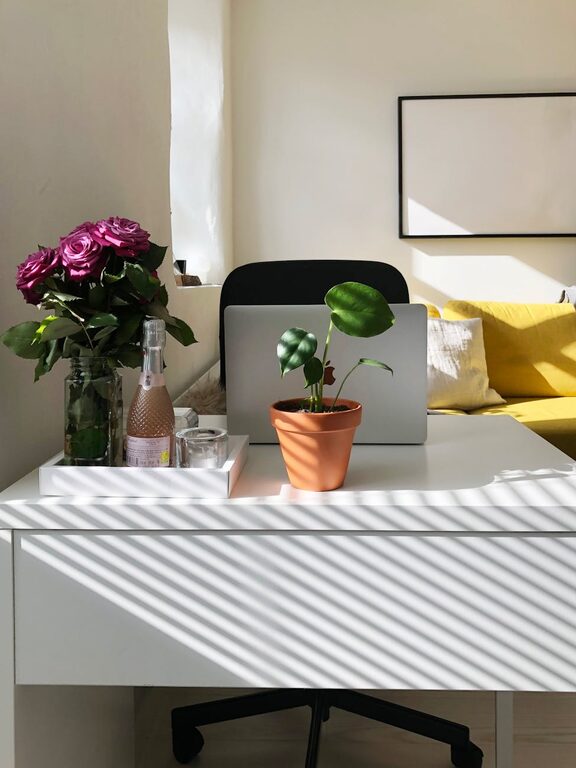
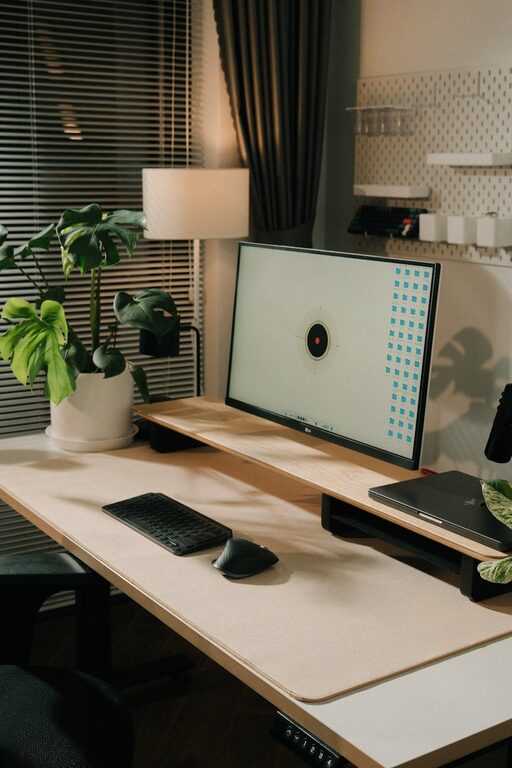
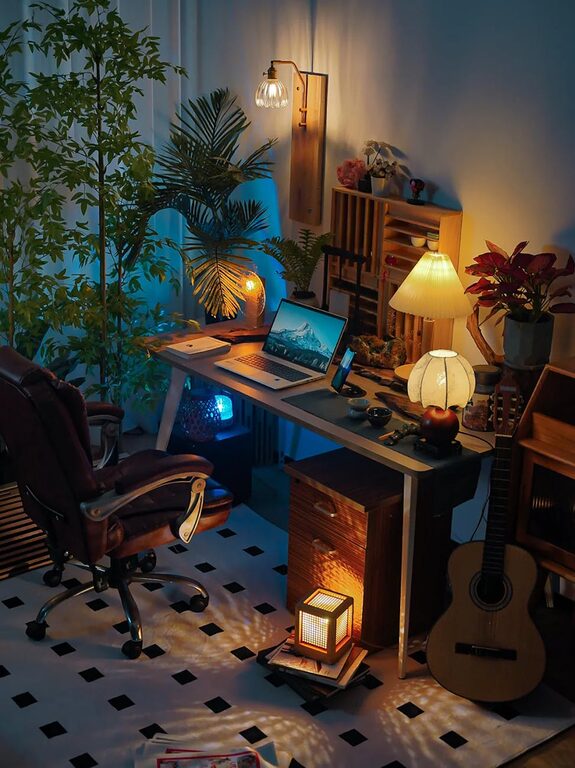
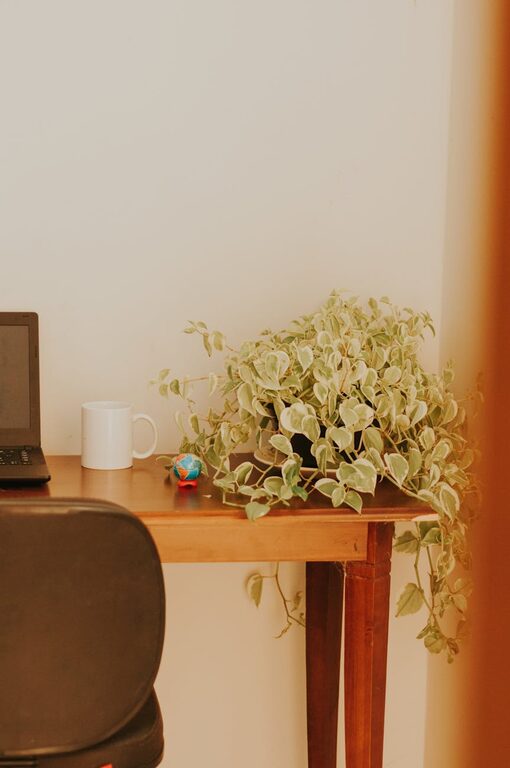
– Decor: Use plants, artwork, or a cozy rug to add warmth.
– Color Scheme: Soft, calming colors can reduce stress, while bright accents may inspire creativity.
– Storage: Opt for stylish organizers, shelves, or baskets to keep your desk tidy.
Proper lighting reduces eye strain and keeps you alert.
– Task Lighting: Use a desk lamp with adjustable brightness and direction.
– Overhead Lighting: Ensure your room has balanced overall lighting without harsh shadows.
– Reduce Glare: Position your screen and lighting to avoid reflections and glare.
Efficient use of technology supports smooth workflow.
– Cable Management: Use cable clips, sleeves, or boxes to keep cords neat.
– Charging Station: Designate a spot for charging devices to keep them accessible.
– Quality Equipment: Invest in a reliable computer, keyboard, and mouse suited to your work.
If space allows, separate your office into functional areas.
– Work Zone: Your desk area where most tasks are completed.
– Meeting Zone: A small spot with comfortable seating for calls or brainstorming.
– Relaxation Zone: A corner with a chair or cushion for breaks, helping you recharge.
A clean space enhances focus and reduces anxiety.
– Daily Declutter: Spend a few minutes tidying your desk at the end of each day.
– Use Storage Wisely: Keep only frequently used items within reach.
– Digitize When Possible: Reduce paper clutter by scanning documents and using digital note-taking apps.
Your home office can support both mental and physical well-being.
– Air Quality: Add indoor plants or use an air purifier.
– Movement: Include space for stretching or a standing desk option.
– Break Reminders: Set timers to encourage regular short breaks.
Your needs might change, so design a versatile space.
– Adjustable Furniture: Consider desks and chairs that can be easily modified.
– Mobile Storage: Use carts or rolling shelves to rearrange as needed.
– Multipurpose Furniture: Choose pieces that serve more than one function to save space.
Designing a cozy and functional home office is about balancing comfort with efficiency. By considering lighting, ergonomics, organization, and personal touches, you can create a space where work feels natural and enjoyable. With thoughtful planning, your home office can become a productive haven tailored just for you.