 06 May 2026
 Share
Share
1
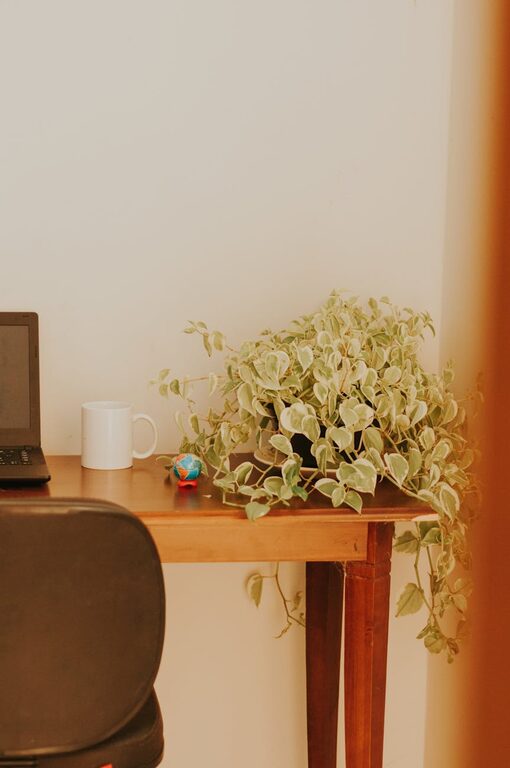
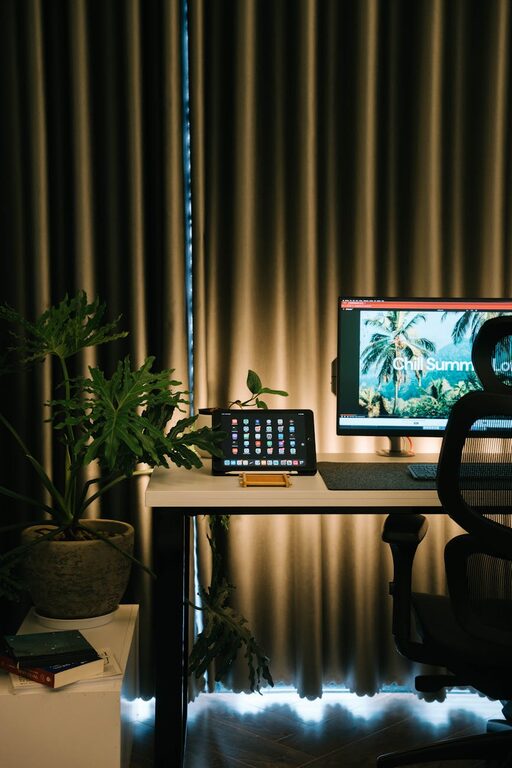
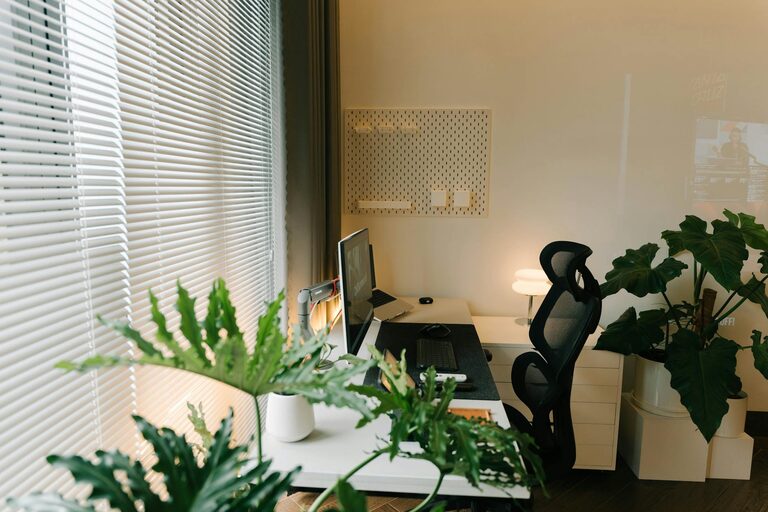
Creating a cozy and inviting home office space is essential for productivity and well-being, especially as more people work from home. A comfortable environment can help reduce stress, boost creativity, and make your workday more enjoyable. Whether you have a dedicated room or just a small corner, these tips will guide you in designing a workspace that blends comfort, style, and functionality.
Start by selecting a spot in your home where you feel comfortable and inspired. Ideally, this space should:
– Have ample natural light to reduce eye strain and improve mood.
– Be away from distractions like TV or heavy foot traffic.
– Allow for some privacy if possible to help maintain focus.
A quiet corner of a bedroom or a small nook in the living room can work perfectly.
Comfort is key when you’re spending hours at a desk. Choose furniture that supports good posture and encourages comfort:
– Ergonomic Chair: A chair with adjustable height, lumbar support, and comfortable cushioning prevents back pain.
– Desk at Proper Height: Your desk should allow your forearms to rest parallel to the floor when typing.
– Footrest: Consider using a footrest if your feet don’t comfortably reach the floor.
If space is tight, consider compact desks or foldable options that maintain comfort without crowding the room.
Colors and decor set the mood for your workspace:
– Colors: Soft, warm tones like beige, soft blues, or muted greens help create a calming atmosphere. Avoid harsh or overly bright colors that may cause distraction.
– Wall Art: Hang inspiring prints, photos, or artwork that motivates you.
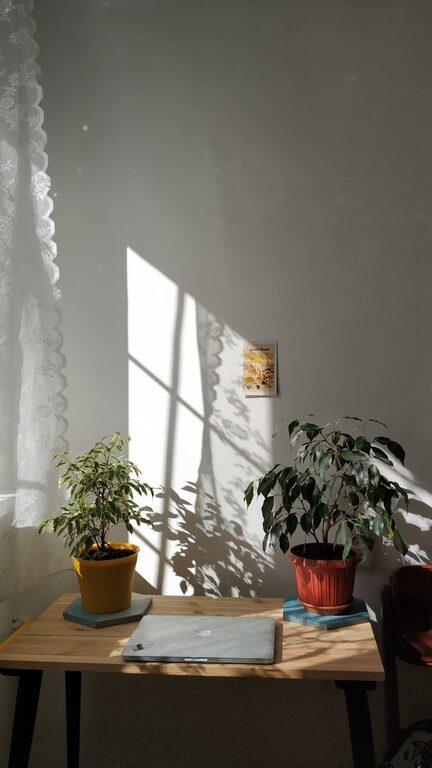
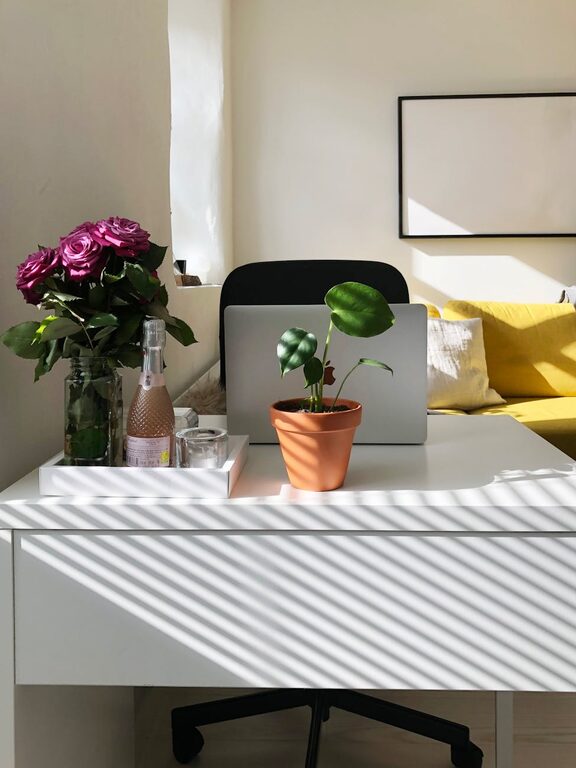
– Plants: Adding greenery can improve air quality and create a sense of calm.
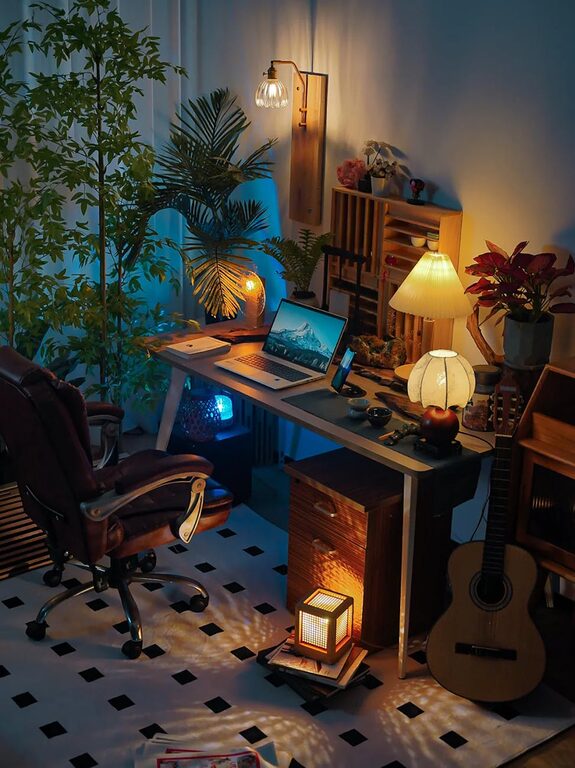
– Textiles: Use cozy rugs, cushions, or throws to add texture and warmth.
Keep decor minimal to avoid clutter but enough to reflect your personality.
Proper lighting is essential for comfort and productivity:
– Natural Light: Position your desk near a window if possible.
– Task Lighting: Use a desk lamp with adjustable brightness to focus on work.
– Ambient Lighting: Soft overhead lights or floor lamps create a cozy atmosphere for late work sessions.
Avoid harsh fluorescent lights as they can cause fatigue.
A tidy workspace helps clear your mind and increases efficiency:
– Storage Solutions: Use shelves, drawers, or boxes to keep supplies organized and out of sight.
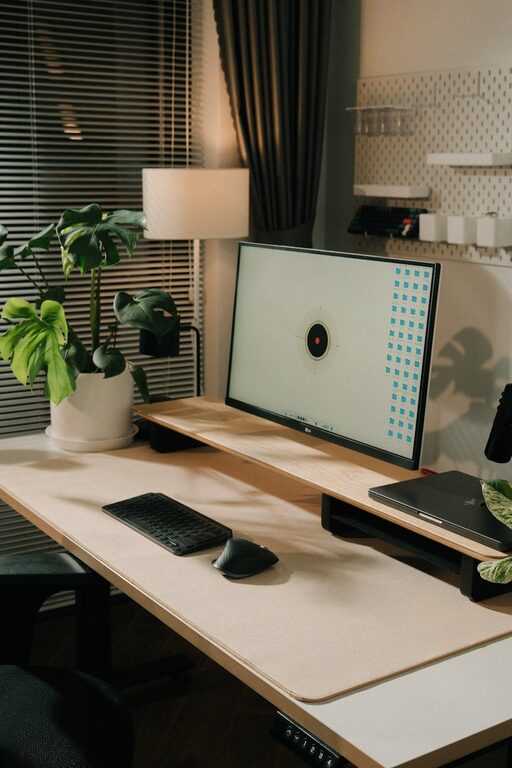
– Cable Management: Use clips or sleeves to keep cables neat and prevent tangling.
– Desk Organizers: Pencil holders, trays, and document files help keep important items within reach.
– Daily Cleanup: Spend a few minutes at the end of each day to clear your desk.
Adding small touches can make a big difference:
– Comfort Items: A cozy blanket or a small pillow on your chair increases comfort.
– Sound Control: Noise-canceling headphones or a white noise machine can block distracting sounds.
– Aromatherapy: Use subtle scents like lavender or eucalyptus from essential oil diffusers to promote relaxation.
– Refreshment Area: If space allows, keep a small station with water, tea, or snacks nearby.
Ensure your technology supports your workflow smoothly:
– Reliable Internet: A strong Wi-Fi connection is crucial for video calls and online work.
– Quality Equipment: Invest in a good monitor, keyboard, and mouse to reduce strain.
– Cable Organization: Keep cords tidy to avoid clutter and accidents.
– Backup Power: Consider a surge protector or uninterruptible power supply to protect your devices.
Creating a cozy home office also means setting boundaries between work and home life:
– Define Your Work Hours: Keep regular work hours to create structure.
– Dedicated Workspace: Avoid working from bed or couch to separate work from relaxation.
– End-of-Day Ritual: Develop a routine to signal the end of your workday, like shutting down your computer or tidying your desk.
Designing a cozy and inviting home office doesn’t require a large budget or space. By choosing the right location, investing in comfortable furniture, adding personal touches, optimizing lighting, and keeping everything organized, you can create a workspace that supports your productivity and well-being. Remember, your home office should be a place you look forward to working in every day.
With these tips in mind, start transforming your workspace into a cozy haven tailored to your needs!